How Do You Know If You Have Cervical Cancer From Hpv / Roche - Cervical cancer - At first, cells may only show signs of a viral infection.. Cervical cancer is a deadly cancer and the overall u.s. However, some types of hpv cause cancer or abnormal growths that can turn into cancer. Cervical cancer is caused by sexually acquired infection with certain types of hpv. Most hpv infections do not cause symptoms or health problems, so you may not know if you have the virus. Symptoms of cervical cancer in women can appear years after an hpv infection.
Because of improvements in cervical cancer screening, guidelines now recommend less frequent screening than before. In some cases, hpv can lead to cancer. But we know for sure that most cervical cancer is caused by a sexually transmitted disease called human papilloma virus, or. Of the millions of cases of hpv diagnosed every year, only a small number become cancer. The hpv virus (jo's cervical cancer trust') the reason hpv has had a higher profile lately is to do with an important change to the cervical screening programme, which was rolled out in.
How do i know if i have cervical cancer - MISHKANET.COM from mishkanet.com Currently, there is no way to know who will have only a temporary hpv infection, and who will develop cancer after getting hpv. The hpv vaccine has the. Abnormal test results don't mean that you have. Human papillomaviruses (hpv) have two proteins known as e6 and e7 which turn off some tumor suppressor genes, such as p53 and rb. If your doctor recommends it, you can have a colposcopy , a simple procedure that uses a magnifying lens that looks for very small abnormalities on the cervix that can't be seen by the naked. Most people who have hpv. The hpv virus one of cervical cancer's main causes can lay dormant for years and if women go through a divorce, start dating and have new partners in their 40s, they expose themselves to hpv again and if high risk strains are present, this can turn into cervical cancer 10 to 15 years down the line, so it is important to keep screening. If it becomes cancer, then there may be some symptoms.
Most people with hpv do not know they are infected and never develop symptoms or health problems from it.
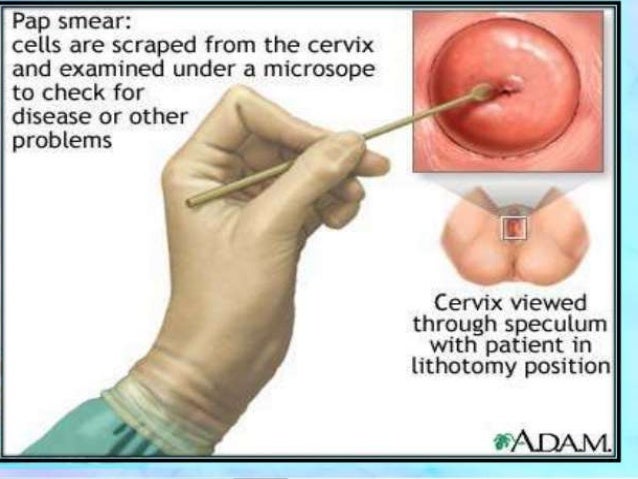
Hpv and early cervical cancer don't always cause symptoms. These growths are called precancerous lesions. However, some types of hpv cause cancer or abnormal growths that can turn into cancer. If you're familiar with the term hpv, or human papillomavirus as it's known in the science world, then it's likely because you've had the hpv jab (also known as the cervical cancer vaccine).hpv. If your doctor recommends it, you can have a colposcopy , a simple procedure that uses a magnifying lens that looks for very small abnormalities on the cervix that can't be seen by the naked. Most of those cases are cervical cancer. The hpv virus one of cervical cancer's main causes can lay dormant for years and if women go through a divorce, start dating and have new partners in their 40s, they expose themselves to hpv again and if high risk strains are present, this can turn into cervical cancer 10 to 15 years down the line, so it is important to keep screening. These strains can be detected only by a pap smear, which tests a woman's cervix, the lower part of her uterus, for any cell changes. When the it was first released, the vaccine was marketed to prevent cervical cancer in young women. If it becomes cancer, then there may be some symptoms. Men need an hpv vaccine, too. Most people who have hpv. Currently, there is no way to know who will have only a temporary hpv infection, and who will develop cancer after getting hpv.
The hpv vaccine has the. But sometimes, the virus survives for years. Pap tests and hpv tests are two kinds of cervical cancer screening. Abnormal test results don't mean that you have. Of the millions of cases of hpv diagnosed every year, only a small number become cancer.
Power Over Cervical Cancer : You Can and You Will - Erica YuB from 4.bp.blogspot.com Women may find out they have hpv when they get an abnormal pap test result (during cervical cancer screening). Of the millions of cases of hpv diagnosed every year, only a small number become cancer. Survival rate is only 66%, but. These growths are called precancerous lesions. When the it was first released, the vaccine was marketed to prevent cervical cancer in young women. It's estimated that 14 million new infections occur every year. If you've been diagnosed with cervical cancer, you're sure to have a lot of questions.maybe you just found out you have it, or maybe you've already been through treatments and don't know. If you have hpv, developing cervical cancer is far from a certainty.
However, some types of hpv cause cancer or abnormal growths that can turn into cancer.
Better screening tests mean less frequent screening. Cervical cancer is caused by sexually acquired infection with certain types of hpv. When the it was first released, the vaccine was marketed to prevent cervical cancer in young women. If you're familiar with the term hpv, or human papillomavirus as it's known in the science world, then it's likely because you've had the hpv jab (also known as the cervical cancer vaccine).hpv. But we know for sure that most cervical cancer is caused by a sexually transmitted disease called human papilloma virus, or. Most people with hpv don't have any symptoms and their immune system will get rid of the hpv infection without any treatment. The hpv virus (jo's cervical cancer trust') the reason hpv has had a higher profile lately is to do with an important change to the cervical screening programme, which was rolled out in. It is a common myth that the hpv vaccine only benefits women. Hpv may lead to cervical cancer in some cases. Survival rate is only 66%, but. Both are simple and fast. In the united states, new cases of cervical cancer have declined over the past 30 years because of increased use of the pap test. Women may find out they have hpv when they get an abnormal pap test result (during cervical cancer screening).
However, your doctor will check for the presence of abnormal cells in the cervix through a pap smear at your annual exam. If you're familiar with the term hpv, or human papillomavirus as it's known in the science world, then it's likely because you've had the hpv jab (also known as the cervical cancer vaccine).hpv. It is a common myth that the hpv vaccine only benefits women. If your doctor recommends it, you can have a colposcopy , a simple procedure that uses a magnifying lens that looks for very small abnormalities on the cervix that can't be seen by the naked. Better screening tests mean less frequent screening.
Cervical cancer screening and hpv vaccination from image.slidesharecdn.com But hpv is not the only cause of cervical cancer. Cervical cancer screening and early hpv vaccination can prevent cervical cancer. In some cases, hpv can lead to cancer. This is particularly true if you also have an abnormal pap smear. A pap test, sometimes called a pap smear, doesn't directly test for cancer, or even hpv, but it can find abnormal cell changes caused by hpv. Most people who have hpv. Cervical cancer screening is used to find abnormal cells in your cervix that could lead to cancer. Cancer develops very slowly and may not be diagnosed until years, or even decades, after a person first gets infected with hpv.
If you've been diagnosed with cervical cancer, you're sure to have a lot of questions.maybe you just found out you have it, or maybe you've already been through treatments and don't know.
But sometimes, the virus survives for years. These strains can be detected only by a pap smear, which tests a woman's cervix, the lower part of her uterus, for any cell changes. Men need an hpv vaccine, too. A pap smear screens for early signs of cervical cancer, known as cervical dysplasia. The hpv virus (jo's cervical cancer trust') the reason hpv has had a higher profile lately is to do with an important change to the cervical screening programme, which was rolled out in. Most people with hpv do not know they are infected and never develop symptoms or health problems from it. The hpv virus one of cervical cancer's main causes can lay dormant for years and if women go through a divorce, start dating and have new partners in their 40s, they expose themselves to hpv again and if high risk strains are present, this can turn into cervical cancer 10 to 15 years down the line, so it is important to keep screening. But hpv is not the only cause of cervical cancer. Pap tests and hpv tests are two kinds of cervical cancer screening. In some cases, hpv can lead to cancer. If you're familiar with the term hpv, or human papillomavirus as it's known in the science world, then it's likely because you've had the hpv jab (also known as the cervical cancer vaccine).hpv. Cervical cancer often doesn't cause signs or symptoms until it has spread outside the cervix. The hpv vaccine has the.